
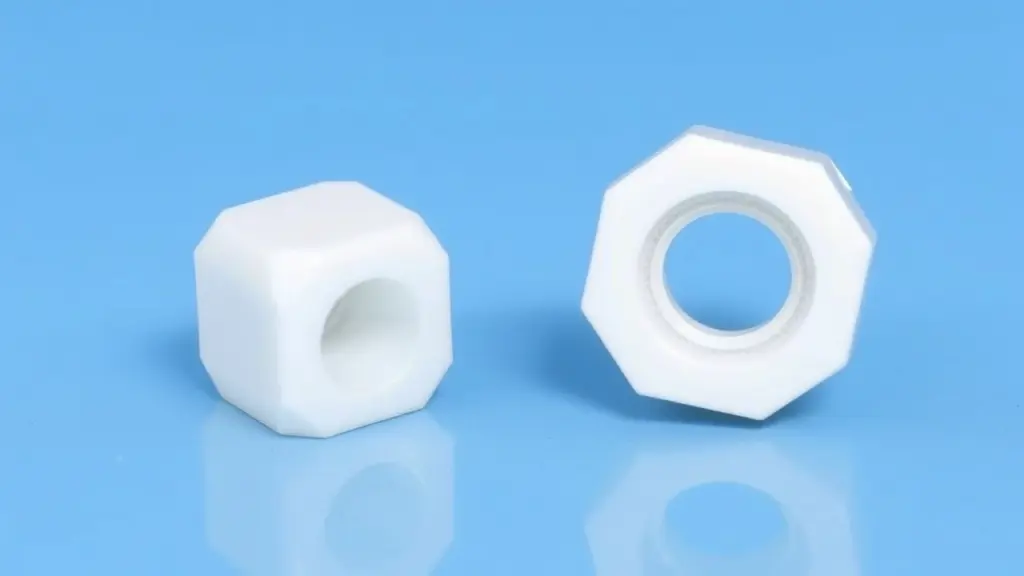
Nylon nuts are a crucial component in various home improvement projects, offering a reliable and cost-effective solution for securing fasteners. There are several types of nylon nuts available, each designed for specific applications. The most common types include nylon insert lock nuts, nylon cap nuts, and nylon hex nuts.
Nylon insert lock nuts, also known as nyloc nuts, feature a nylon ring that provides resistance to loosening caused by vibration. Nylon cap nuts, on the other hand, have a domed cap that offers a finished appearance and added protection to the fastener. Nylon hex nuts are standard nuts with a nylon insert for securing purposes.
Understanding the differences between these types is essential for selecting the most suitable option for your specific home improvement needs.
Key Takeaways
- Understand the different types of nylon nuts available for your home improvement needs
- Tụlee ihe ndị dị ka nha, eriri eri, ihe, and durability when choosing a nylon nut
- Take into account temperature and chemical resistance, load capacity, and strength requirements
- Consider environmental factors for outdoor use, as well as installation and removal considerations
- Budget for the cost of nylon nuts and purchase high-quality products from reputable suppliers
Factors to Consider When Choosing a Nylon Nut
When choosing a nylon nut for your home improvement project, several factors should be taken into consideration to ensure optimal performance and longevity. These factors include size and thread pitch, material and durability, temperature and chemical resistance, load capacity and strength requirements, environmental considerations for outdoor use, installation and removal considerations, as well as cost and budgeting. By carefully evaluating these factors, you can make an informed decision and select the right nylon nut that meets your specific requirements.
Choosing the Right Size and Thread Pitch
Selecting the right size and thread pitch is crucial when choosing a nylon nut for your home improvement needs. The size of the nut should correspond to the diameter of the fastener it will be securing, while the thread pitch should match the threads per inch of the fastener. Using the incorrect size or thread pitch can result in improper fastening and potential damage to the components.
It is essential to accurately measure the fastener and consult the manufacturer’s specifications to ensure compatibility with the chosen nylon nut.
Nylon Nut Material and Durability
| Ihe onwunwe | Durability |
|---|---|
| Nylon | High |
The material used in the construction of nylon nuts plays a significant role in their durability and performance. Nylon nuts are typically made from nylon 6/6, a type of polyamide known for its high strength, toughness, and resistance to wear and abrasion. This material offers excellent corrosion resistance, making it suitable for various indoor and outdoor applications.
Ke ozo, nylon nuts are lightweight and non-conductive, making them ideal for electrical and electronic installations.
Temperature and Chemical Resistance
When selecting nylon nuts for home improvement projects, it is essential to consider their temperature and chemical resistance properties. Nylon nuts exhibit good resistance to a wide range of chemicals, including oils, greases, and solvents. Agbanyeghị, they may not be suitable for applications involving exposure to high temperatures or harsh chemicals.
It is crucial to assess the environmental conditions in which the nylon nuts will be used to ensure they can withstand the specific temperature and chemical exposures without compromising their integrity.
Load Capacity and Strength Requirements
The load capacity and strength requirements of the application should be carefully evaluated when choosing nylon nuts. Nylon nuts are available in various grades and strengths to accommodate different load capacities. It is important to determine the maximum load that the fastener will be subjected to and select a nylon nut that meets or exceeds these requirements.
Ke ozo, considering factors such as shear strength and tensile strength is essential to ensure the chosen nylon nut can withstand the anticipated loads without failure.
Environmental Considerations for Outdoor Use
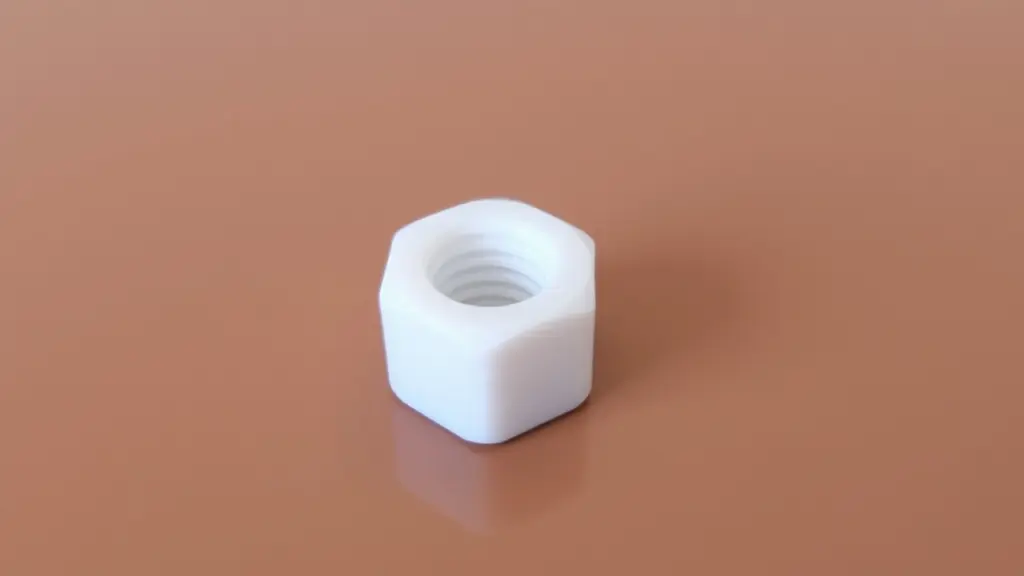
For outdoor home improvement projects, environmental considerations play a critical role in selecting the right nylon nut. Exposure to outdoor elements such as sunlight, mmiri mmiri, and fluctuating temperatures can impact the performance and longevity of nylon nuts. UV-resistant nylon nuts are recommended for outdoor applications to prevent degradation caused by prolonged exposure to sunlight.
Ke ozo, selecting nylon nuts with enhanced weather resistance can help mitigate the effects of moisture and temperature fluctuations, ensuring long-term reliability in outdoor environments.
Installation and Removal Considerations
Proper installation and removal considerations are essential when using nylon nuts in home improvement projects. Over-tightening nylon nuts can cause damage to the fastener or result in premature failure of the nylon insert. It is important to follow manufacturer recommendations for torque values to ensure secure fastening without compromising the integrity of the nylon nut.
Ke ozo, using proper tools and techniques for removal is crucial to prevent damage to the fastener or surrounding components.
Cost and Budgeting for Nylon Nuts
Cost considerations are an important factor when choosing nylon nuts for home improvement projects. While nylon nuts offer cost-effective solutions compared to metal counterparts, it is essential to balance cost with quality and performance. Investing in high-quality nylon nuts that meet the specific requirements of the application can contribute to long-term reliability and reduced maintenance costs.
Evaluating the overall project budget and considering the long-term benefits of using durable nylon nuts can help make informed purchasing decisions.
Where to Purchase High-Quality Nylon Nuts
High-quality nylon nuts can be sourced from reputable suppliers and distributors specializing in fasteners and hardware components. Local hardware stores, industrial supply companies, and online retailers offer a wide selection of nylon nuts in various sizes and types. When purchasing nylon nuts, it is important to ensure that they meet industry standards and specifications for quality and performance.
Ke ozo, seeking recommendations from professionals or consulting with experts in fastening solutions can help identify reliable sources for high-quality nylon nuts that align with your home improvement needs. Na ngwụcha, choosing the right nylon nut for your home improvement needs requires careful consideration of various factors such as type, nha, ihe, environmental suitability, installation requirements, and budget constraints. By understanding the different types of nylon nuts available and evaluating key factors such as durability, resistance properties, load capacity, and environmental considerations, you can make informed decisions when selecting nylon nuts for your projects.
Ke ozo, sourcing high-quality nylon nuts from reputable suppliers ensures reliability and performance in securing fasteners for diverse home improvement applications.
Ajụjụ
Q1: What are the different types of nylon nuts available for home improvement needs?
A: For home improvement, the three most common and useful types are:
- Nylon Insert Lock Nuts (Nyloc Nuts): Feature a nylon ring that creates friction and resistance against loosening due to vibration. Ideal for appliances, furniture, and anything prone to movement.
- Nylon Cap Nuts (Acorn Nuts): Have a domed, closed end that provides a finished, aesthetic look and protects bolt threads from damage and debris. Great for visible parts of furniture or safety on exposed bolts.
- Nylon Hex Nuts: Standard six-sided nuts, often with a nylon insert, used for general fastening where electrical insulation or corrosion resistance is needed.
Q2: What factors should be considered when choosing a nylon nut for a specific application?
A: Key factors include:
- Application Environment: Indoors vs. outdoors, exposure to moisture, chemicals, or UV light.
- Load & Stress: The weight or force the joint must withstand (static load vs. ịma jijiji).
- Fastener Compatibility: Matching the exact size and thread pitch of the bolt or screw.
- Functional Need: Is vibration resistance (lock nut), a finished look (cap nut), or simple insulation (hex nut) the priority?
- Oke okpomọkụ: Ensuring the nylon’s operating limits are not exceeded.
Q3: How do I choose the right size and thread pitch for a nylon nut?
A: You must match the nut to the bolt. Use a caliper to measure the bolt’smajor diameter (e.g., 1/4″, 6mm). Mgbe ahụ, use athread pitch gauge or count the number of threads per inch (imperial) or measure the distance between threads in mm (metric). Ọmụmaatụ, a common bolt is “1/4-20,” meaning 1/4″ diameter with 20 threads per inch. The nylon nut must have the exact same specification. When in doubt, bring the bolt to the hardware store for comparison.
Q4: What are the material and durability considerations for nylon nuts?
A: Most nylon nuts are made fromNylon 6/6. Key properties include:
- High Durability: Excellent strength-to-weight ratio, good resistance to wear and abrasion.
- Corrosion & Rust Proof: Unlike metal, they won’t corrode, making them perfect for damp environments.
- Non-Conductive & Dị nro: Essential for electrical safety and where weight is a concern.
- Limitation: They can become brittle in very cold temperatures and have a lower heat tolerance than metal nuts.
Q5: What are the temperature and chemical resistance properties of nylon nuts?
A:
- Temperature: Standard nylon nuts have a continuous service temperature range of approximately -40°F to 185°F (-40°C to 85°C). Prolonged exposure beyond this can lead to loss of strength or deformation.
- Chemical Resistance: They resist common household chemicals like oils, greases, detergents, and alkalis very well. Agbanyeghị, they are not recommended for use with strong acids, phenols, or concentrated oxidizing agents. Always check chemical compatibility charts for specific exposures.
Q6: How do I determine the load capacity and strength requirements for a nylon nut?
A: Nylon nuts are suitable forlight to medium-duty applications. For critical structural loads (e.g., vehicle suspension, heavy shelving), metal nuts are typically required. Itule:
- Static vs. Dynamic Load: Is the joint under constant weight (static) or subject to movement/vibration (dynamic)? Lock nuts are better for dynamic loads.
- Shear vs. Tensile Strength: Most home uses involve clamping force (tension). Ensure the nylon nut is rated for the bolt’s strength.
- Rule of Thumb: If in doubt or for safety-critical applications, consult an engineer or choose a metal nut. For most DIY tasks like securing a light fixture, electronics, or non-structural furniture, standard nylon nuts are sufficient.
Q7: What environmental considerations should be taken into account for outdoor use of nylon nuts?
A: For outdoor use, selectUV-Stabilized (UV-Resistant) Nylon Nuts. Standard nylon can degrade, become brittle, and lose strength when exposed to prolonged sunlight. Also, ensure they are rated for the full temperature swings and moisture exposure of your climate. While nylon resists water, trapped moisture in threaded areas can still cause corrosion on the metal bolt it’s attached to.
Q8: What should I consider when it comes to the installation and removal of nylon nuts?
A:
- Installation: Do not over-tighten. Use hand tools first, and only use a wrench for final snugging. Over-torquing can strip the nylon insert or crush the nut material, compromising its locking ability. The nylon collar should provide the locking feel.
- Removal: They can be reused a few times if the nylon insert is not damaged. Removal may require slightly more force than a standard nut. If the nylon has degraded or fused, cutting the nut off may be necessary.
Q9: How can I budget for the cost of nylon nuts for my home improvement project?
A: Nylon nuts are verycost-effective, especially compared to specialty metal nuts.
- Bulk Buying: For larger projects, buying in bulk (bags of 50 ma ọ bụ 100) is significantly cheaper per unit than buying individual nuts.
- Assortment Kits: Consider purchasing a small nut/bolt assortment kit. It provides various sizes for future projects and is excellent value.
- Quality vs. Price: Stick to reputable hardware brands. The small price difference is worth it for consistent sizing and material quality.
Q10: Where can I purchase high-quality nylon nuts for my home improvement needs?
A: You can find them at:
- Local Hardware/Home Improvement Stores: (e.g., Home Depot, Lowe’s, Ace Hardware) – Great for immediate needs and seeing products in person.
- Industrial Supply Stores: (e.g., Fastenal, Grainger) – Offer a wide range of sizes and specifications, often in bulk.
- Online Retailers: (e.g., Amazon, McMaster-Carr, specialized fastener websites) – Provide the widest selection, detailed specifications, and bulk pricing with direct delivery.